
01
Grip & balance The arches stay exactly where the child puts them
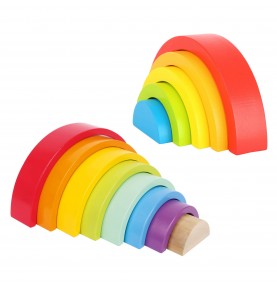
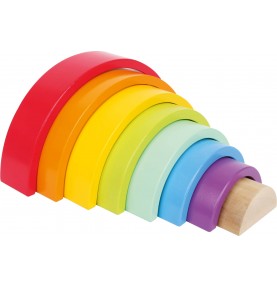
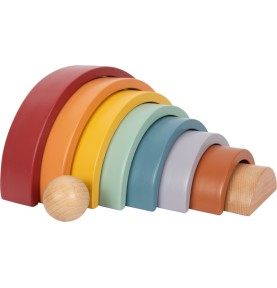
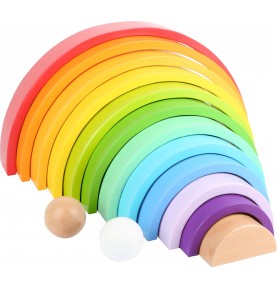
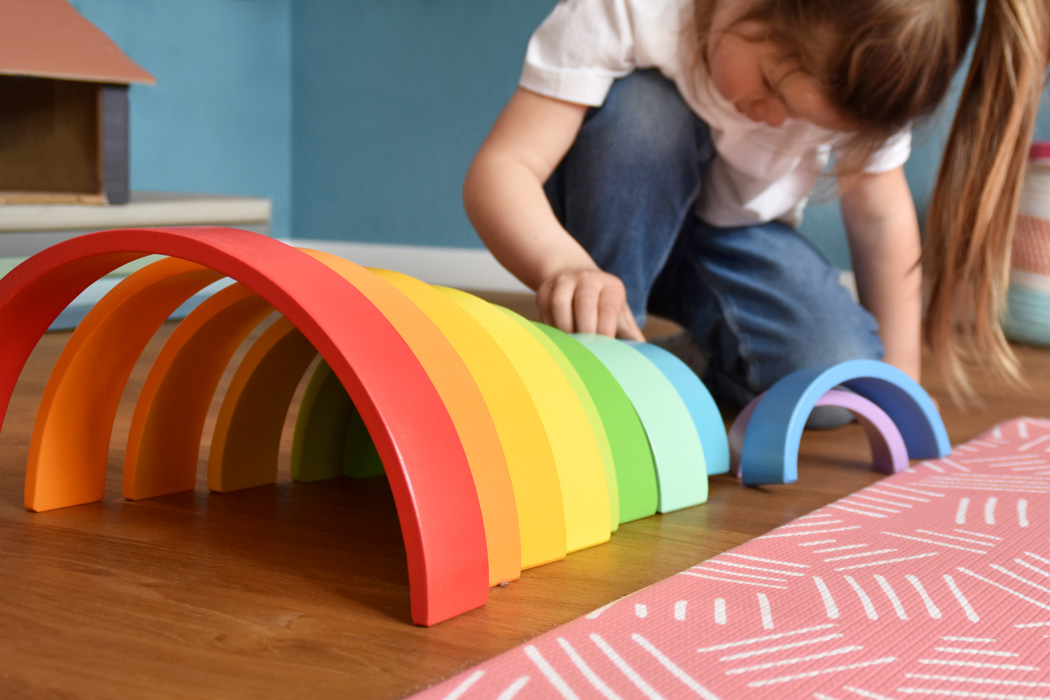
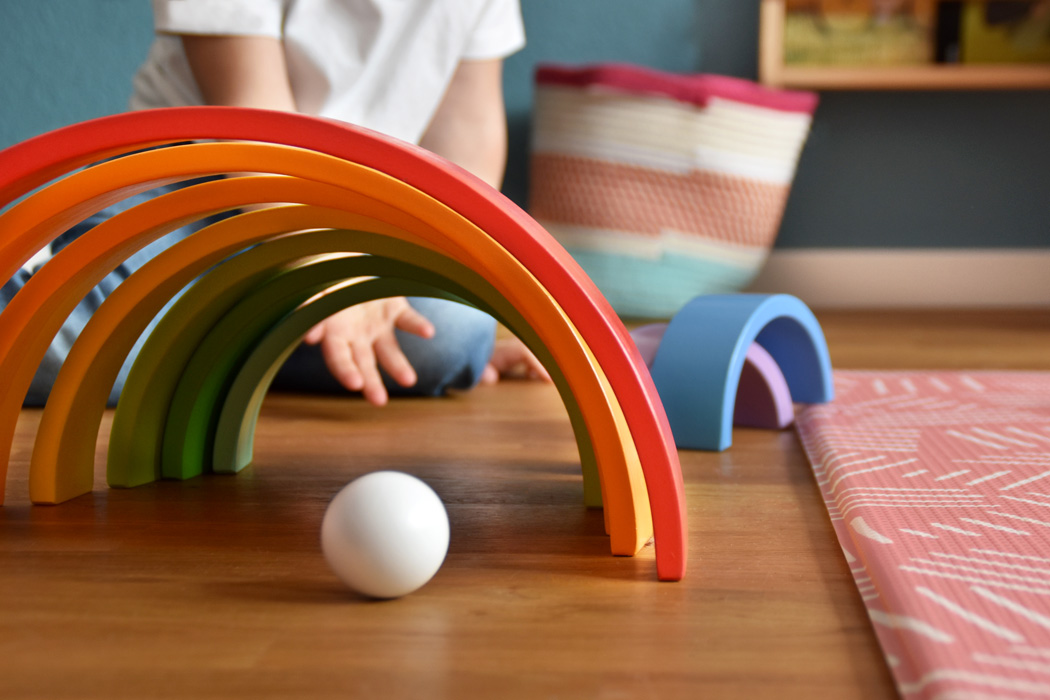
A sanded solid wood arch keeps a slight grain. Stood on its edge, set at an angle or balanced across another arch, it stays put. A moulded plastic arch is smoother and slides as soon as the floor is not perfectly flat. For a two-year-old attempting a first tower, that difference often decides whether they succeed or give up.
Solid wood
The pieces hold on their edges and when offset, so the child dares to try bolder and bolder balancing acts.
Smooth plastic
The light pieces slide or twist at the slightest touch, and the build collapses without the child understanding why.
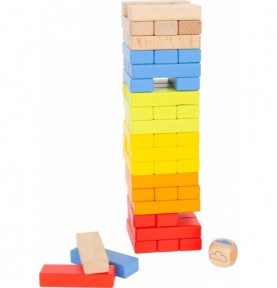
When the tower falls, the cause is visible and the child can correct it alone.